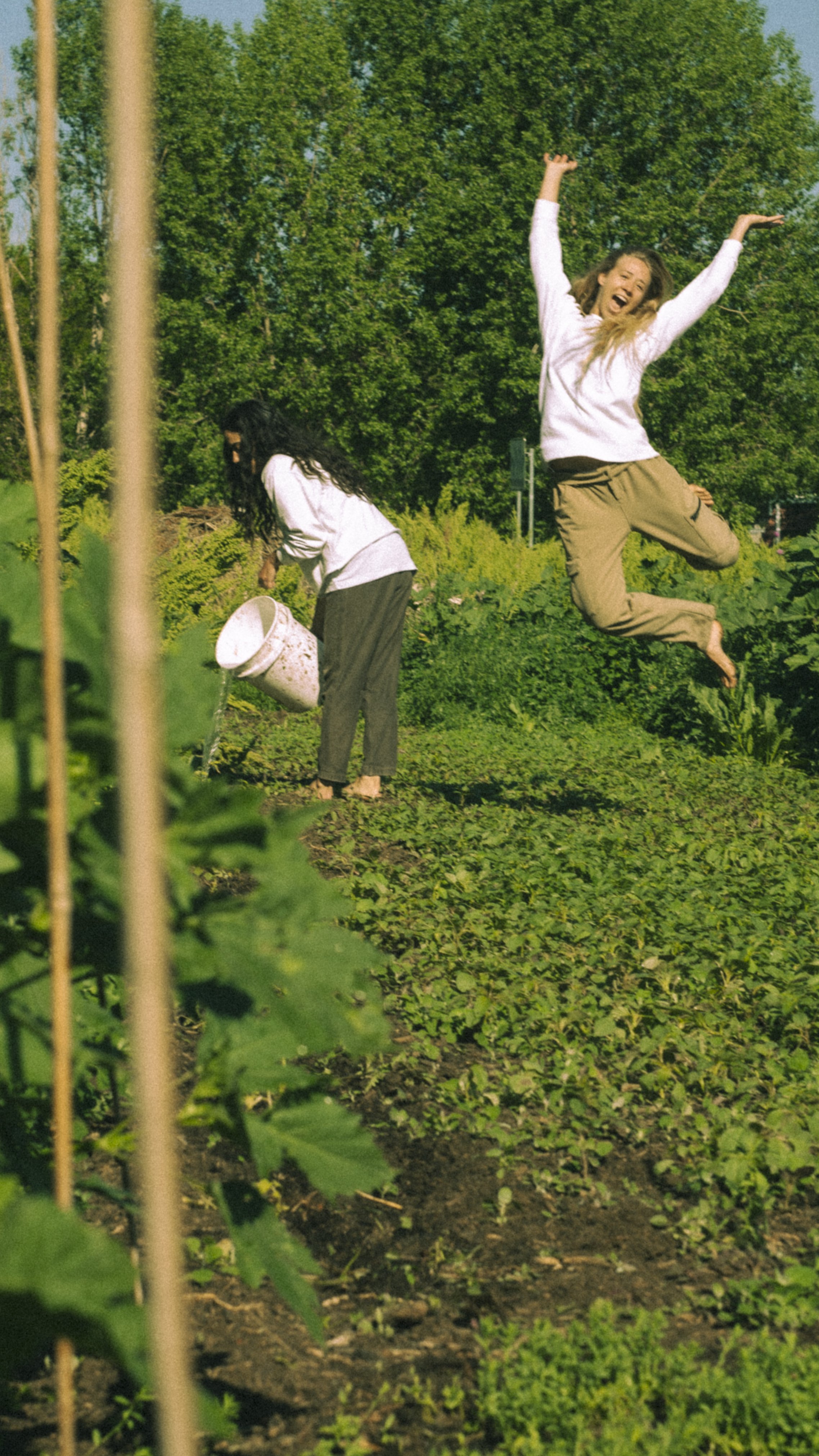
A Year in Flax: 2025 Season Overview
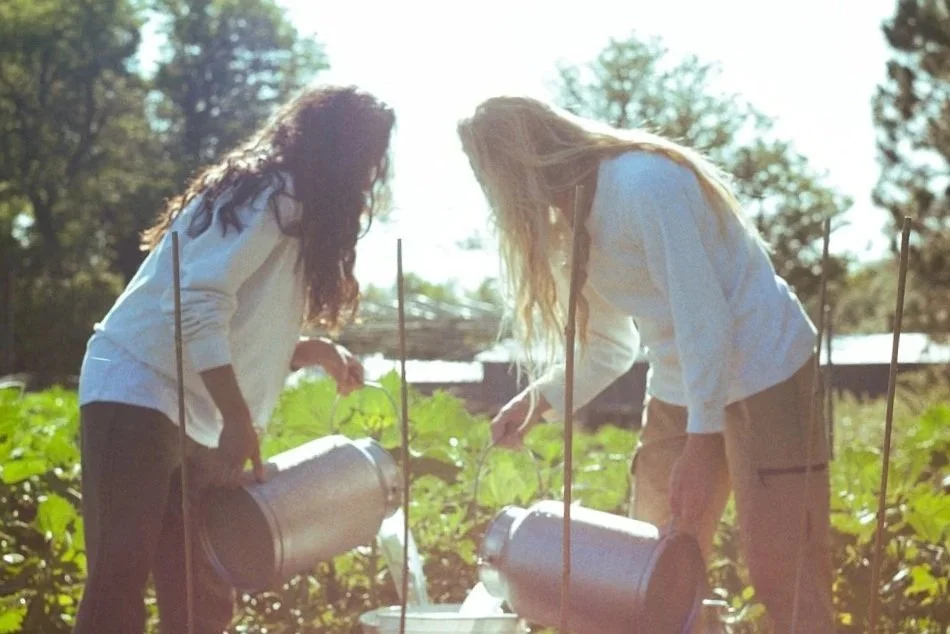
Watering by hand at Jacob Springs Farm
The 2025 growing season marked the first coordinated field trials of the Foothills Flax Project. This work was supported in part by grant funding from Boulder County and designed as a distributed growing effort across multiple sites.
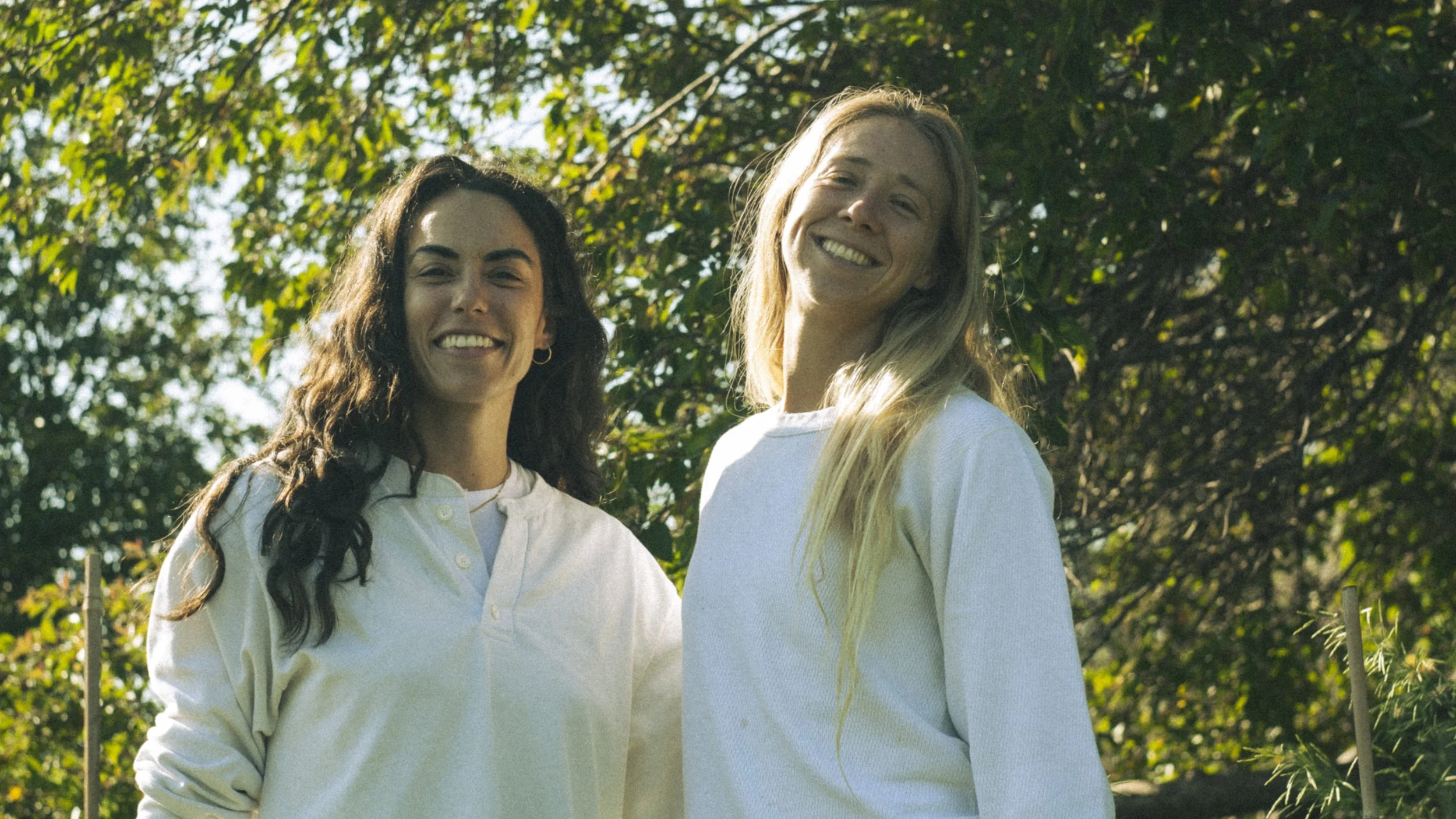
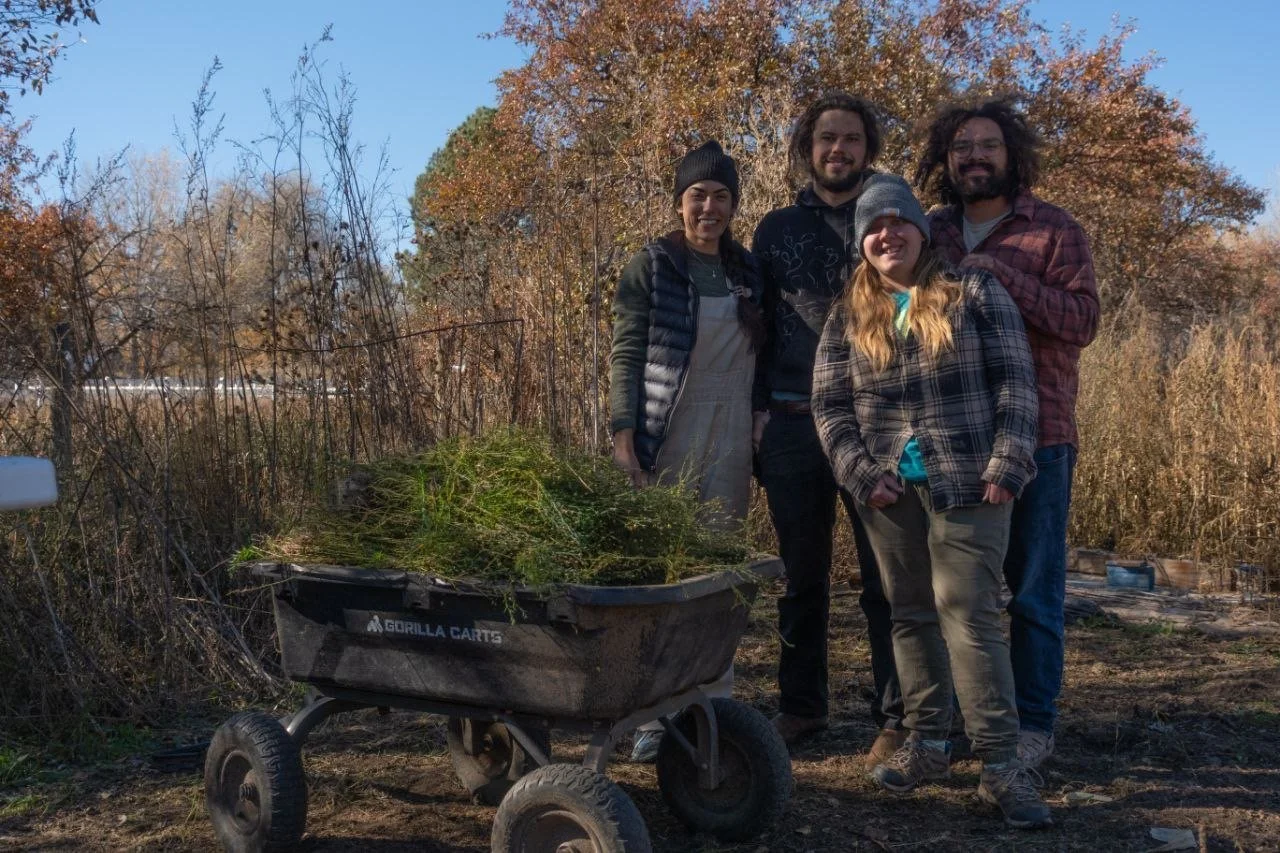
New to farming and without land of my own, a partnership-based model was necessary from the outset. In a larger context, working across multiple sites also reflects how a resilient textile system must function. Distributed growing allows for diversified sourcing, reduces risk tied to any single plot, and makes it possible to compare outcomes across different soils, microclimates, and management contexts.
In the Spring of 2025, flax was planted at three primary sites:
A charter school in Lafayette, providing educational context for sustainable innovation in action
A private family property on County Line Road in East Longmont, representing a home-scale growing context
Jacob Springs Farm in Boulder, where flax was trialed within an active farm operation
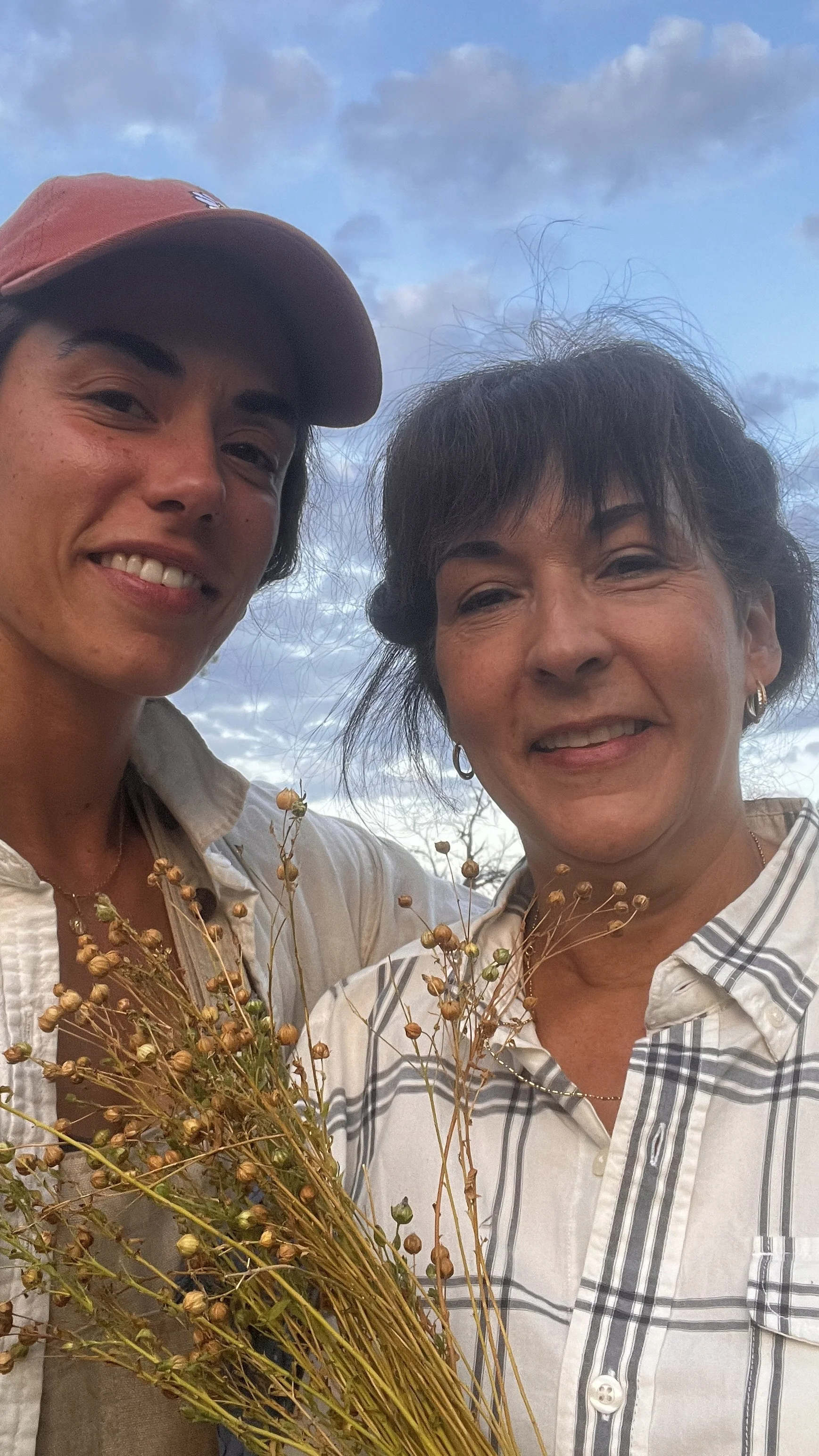
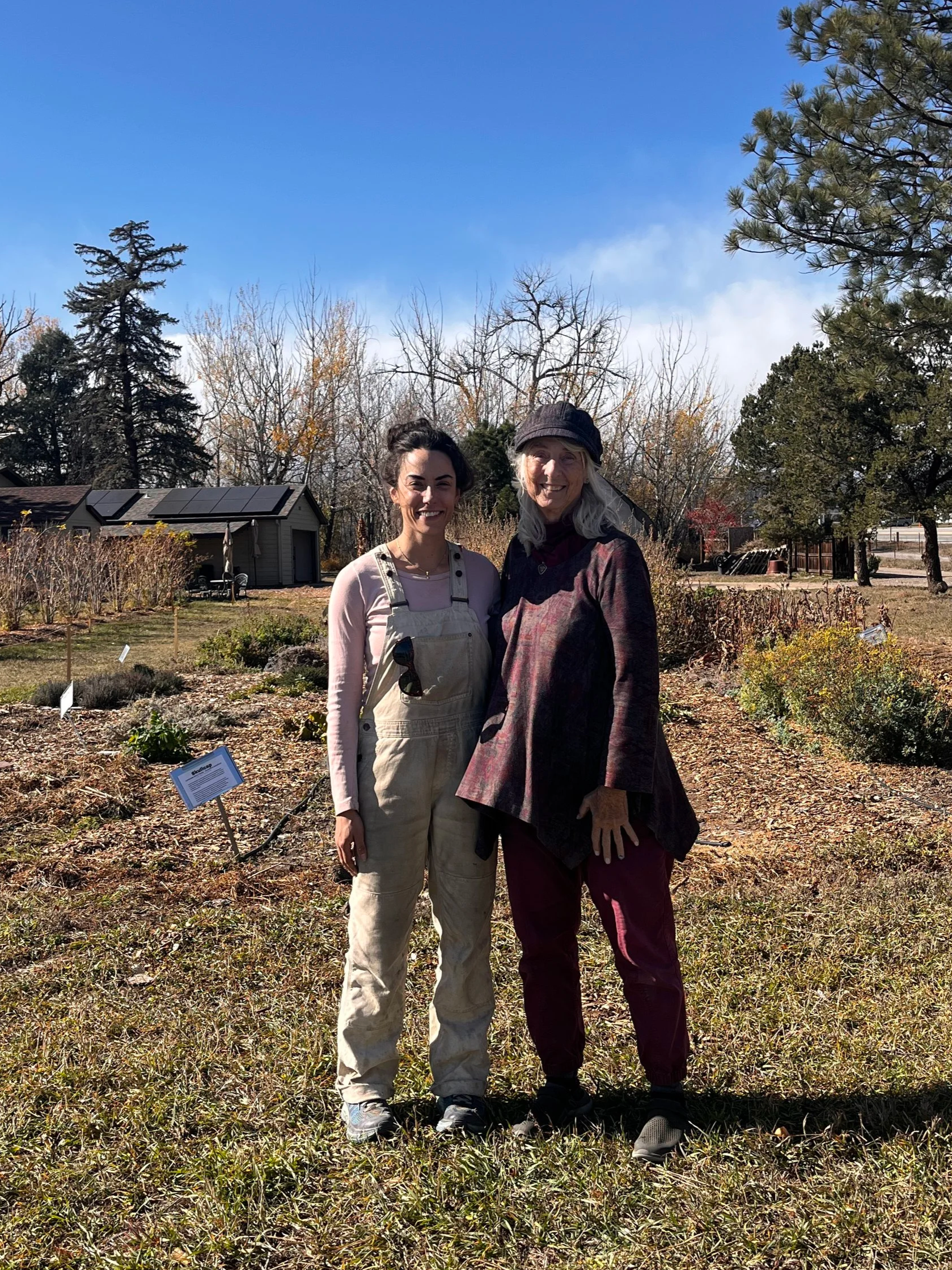
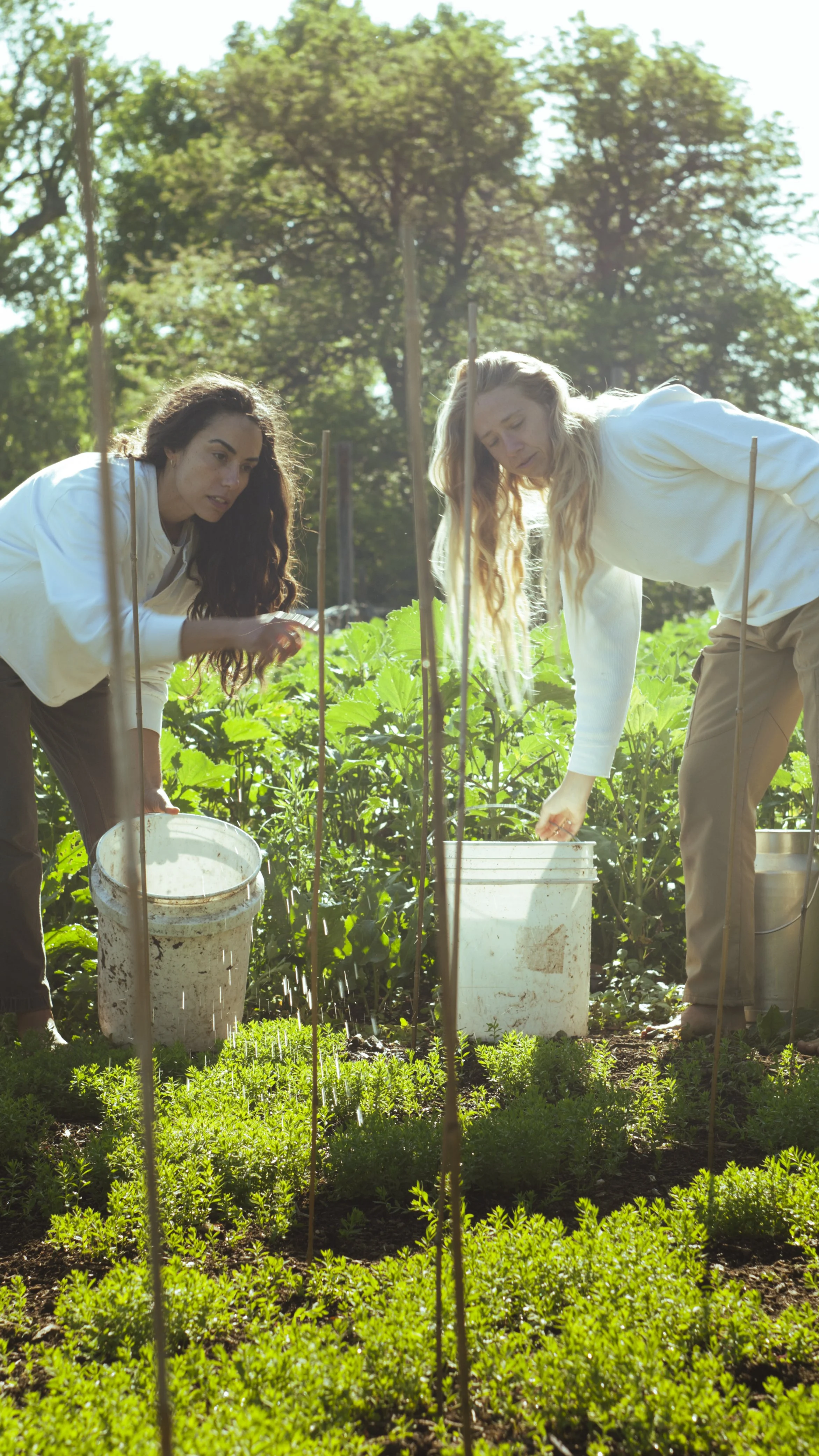
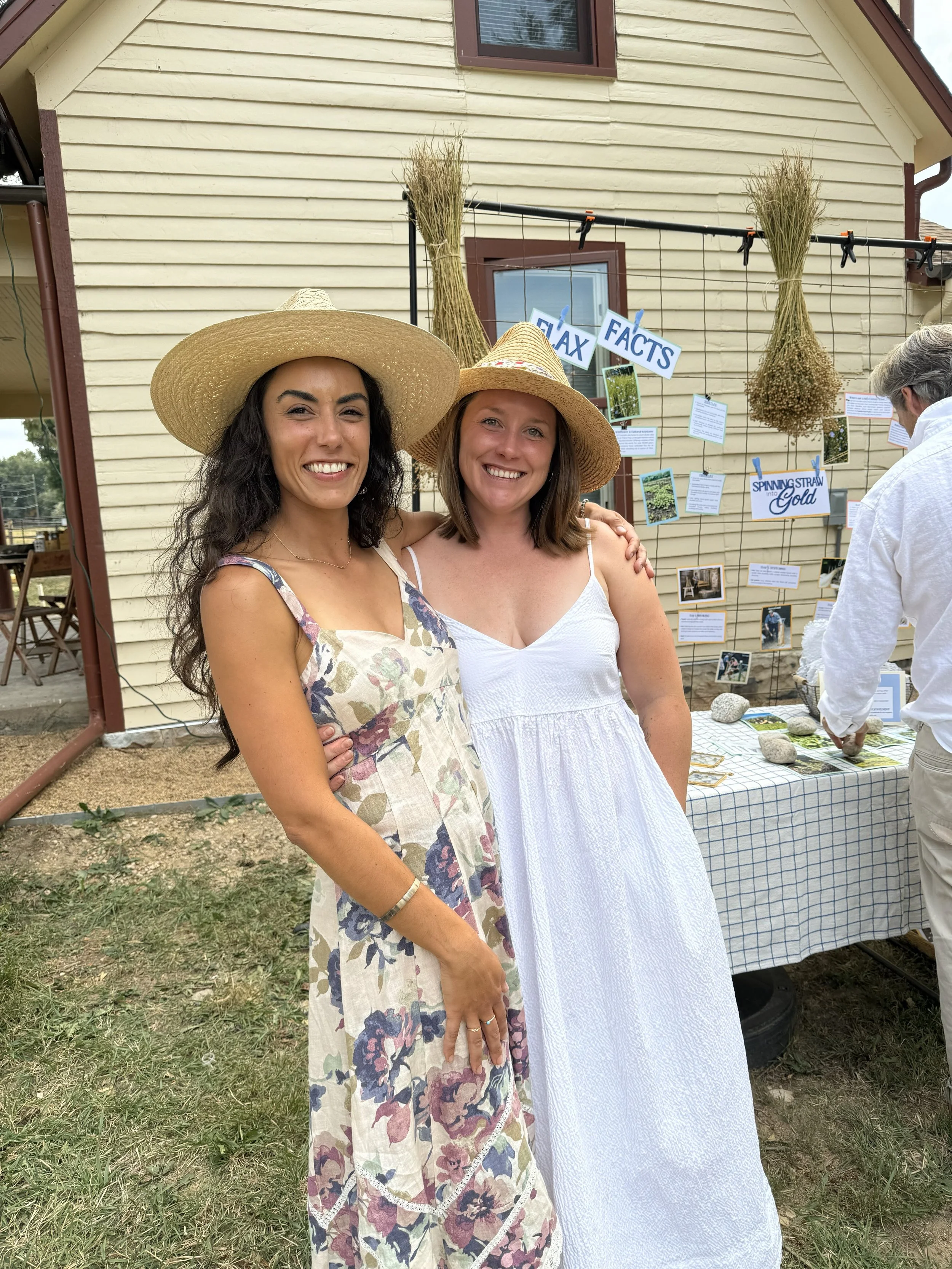
While the Charter School Plot failed to thrive due to insufficient watering, the County Line Plot and Jacob Spring Plot both yielded beautiful plants which were a joy to witness evolve throughout the season. So far, the project has relied entirely on hand labor, and was blessed over and again to receive community support and participation.
The goals for the season were to become acquainted with the plant’s growth patterns, retain seeds, and contribute to the material literacy of our community.
The 2025 season was shaped by the people who participated as much as by the flax itself. What follows in this series is an honest account of what was tried, what was learned, and how the project is evolving as it moves into the next growing season.